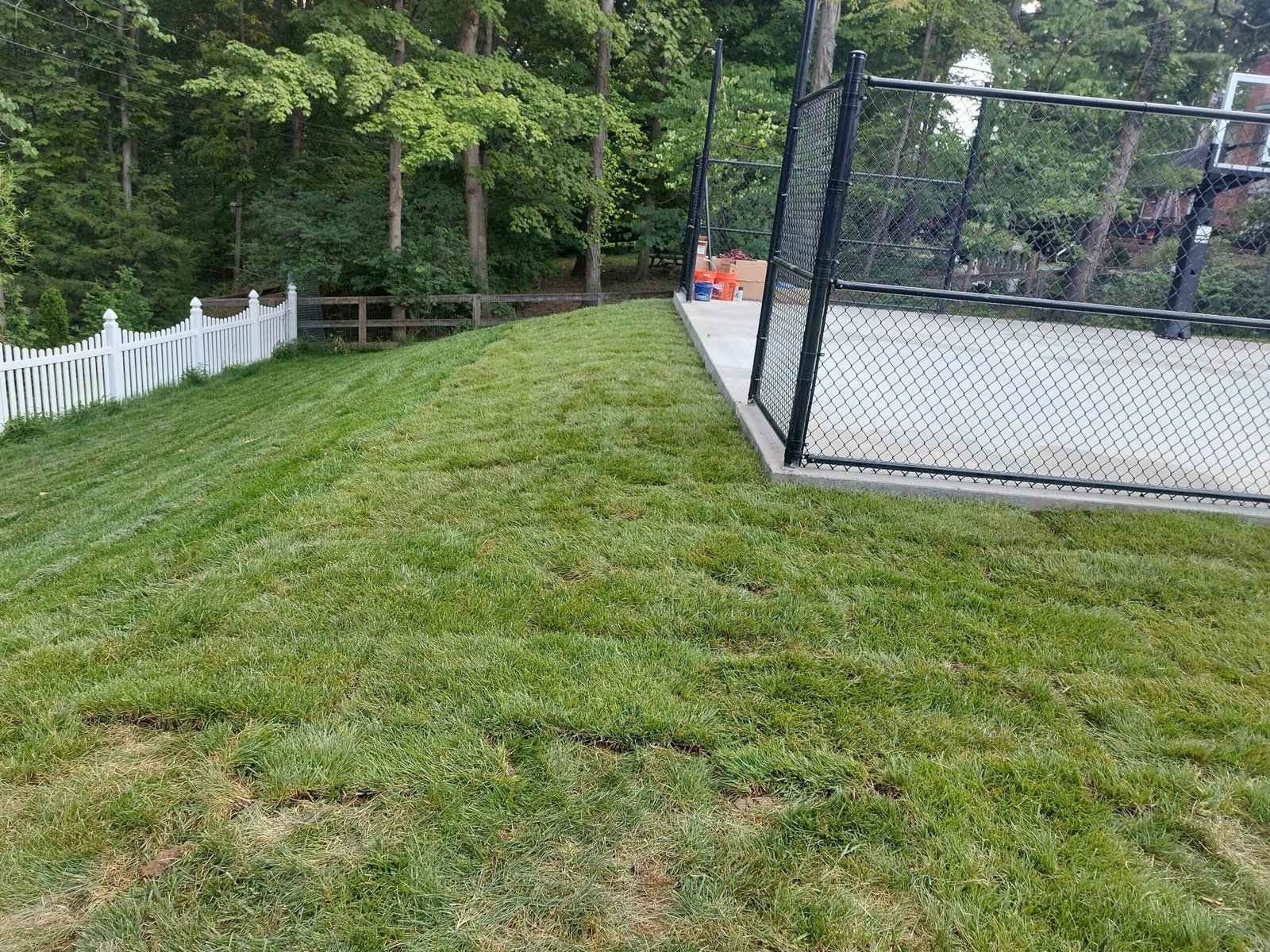
Re-Grade
The Importance of Regrading Properties in Landscape Management and Erosion Control
Regrading, or reshaping the land surface, is a crucial practice in landscape management, erosion control, and water resource conservation. By strategically modifying the slope, elevation, and contour of a property, regrading can enhance soil stability, promote efficient water flow, and mitigate erosion risks. This response explores the importance of regrading properties, emphasizing practical applications and natural health principles.
Key Benefits of Regrading
1. Erosion Control: Regrading helps control erosion by:
A) Stabilizing Slopes: Reducing slope steepness minimizes the force of water and gravity on soil, preventing erosion and landslides.
B) Creating Contours: Establishing contours perpendicular to the slope helps intercept and slow down water flow, reducing runoff velocity and promoting infiltration.
C) Diverting Water: Regrading can redirect water away from vulnerable areas, such as building foundations, roads, and sensitive ecosystems.
2. Improved Water Flow and Drainage: By optimizing the land surface, regrading enhances water flow and drainage, reducing flooding risks and preventing waterlogging. This promotes efficient irrigation, groundwater recharge, and overall water resource management.
3. Enhanced Soil Health: Regrading can improve soil health by:
A) Promoting Infiltration: Strategic regrading encourages water infiltration, increasing soil moisture and promoting microbial activity.
B) Minimizing Soil Compaction: Reducing runoff velocity and water flow intensity minimizes soil compaction, preserving soil structure and fertility.
C) Facilitating Nutrient Cycling: By enhancing water flow and infiltration, regrading promotes nutrient cycling and supports a healthy soil microbiome.
4. Wildlife Habitat Enhancement: Regrading can create diverse microhabitats, supporting a rich variety of plant and animal life. By incorporating natural features, such as swales, ponds, and rock outcrops, regrading promotes biodiversity and ecological resilience.
5. Aesthetic and Recreational Values: Strategic regrading can enhance the visual appeal and recreational value of a property, promoting outdoor activities such as hiking, gardening, and wildlife observation.
Action Steps and Resources
1. Assess Your Property: Evaluate your property’s specific conditions, considering factors such as slope, soil type, water flow patterns, and erosion risks.
2. Develop a Regrading Plan: Create a detailed plan for regrading your property, prioritizing actions based on the severity of erosion risks and the potential benefits of regrading.
3. Implement Regrading Measures: Execute the regrading plan, employing techniques such as:
A) Berms and Swales: Constructing low, wide mounds (berms) and shallow depressions (swales) perpendicular to the slope to intercept and slow down water flow.
B) Graded Channels: Reshaping waterways to optimize water flow, reduce runoff velocity, and promote infiltration.
C) Terracing: Building level, flat surfaces supported by retaining walls to stabilize steep slopes and minimize erosion.
4. Plant Appropriate Vegetation: Incorporate native, erosion-resistant plants to stabilize soil, promote infiltration, and enhance overall ecosystem health.
5. Monitor and Maintain: Regularly monitor regraded areas to ensure their continued functionality and address any emerging issues. Maintain regraded properties through periodic cleaning, vegetation management, and other necessary upkeep.
By investing in strategic regrading, landowners and managers can enhance soil health, promote efficient water flow, mitigate erosion risks, and support overall ecosystem functionality. Embrace the benefits of natural, well-functioning landscapes while promoting self-reliance, personal preparedness, and a deeper connection to the land.