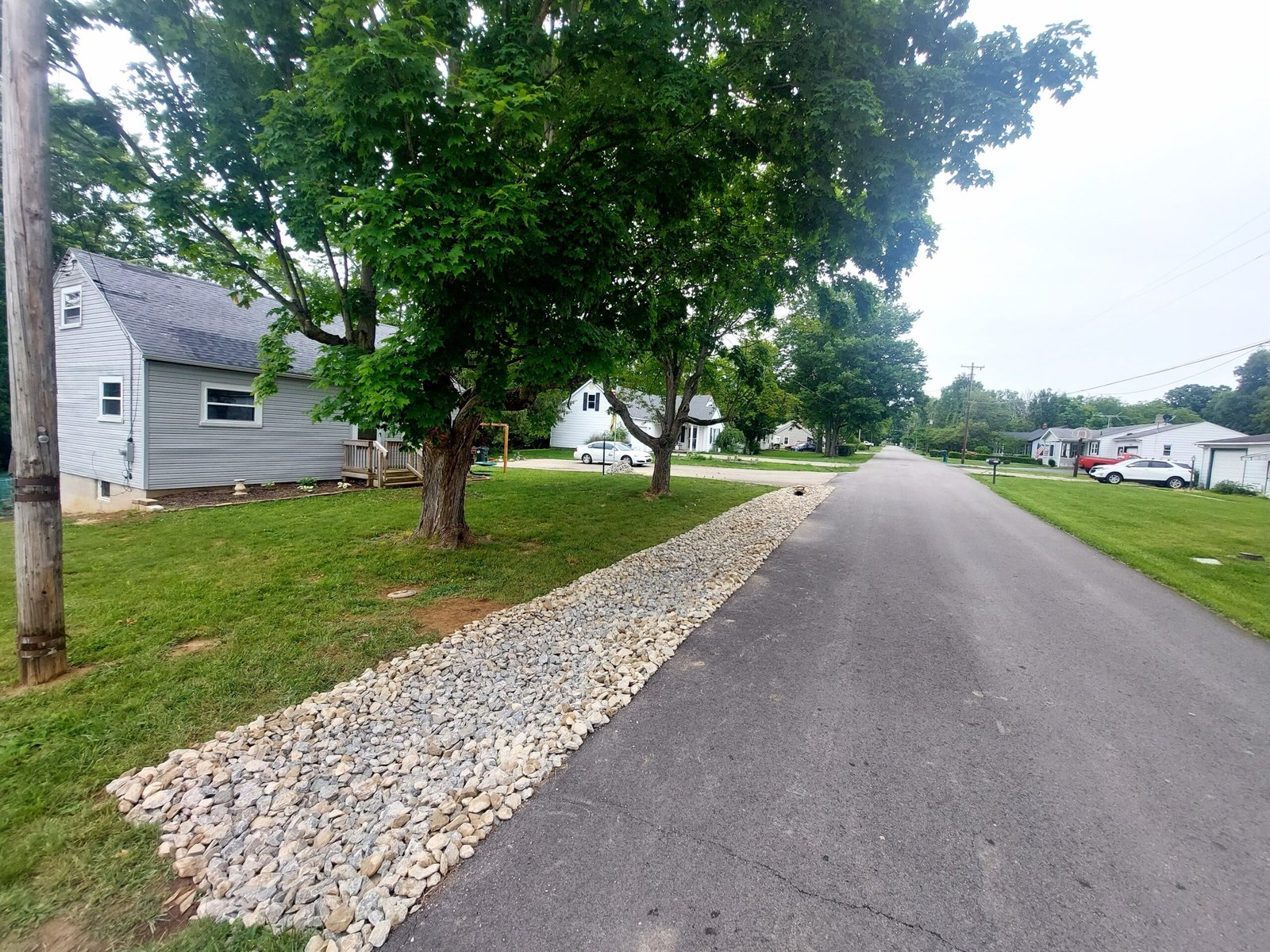
Ditch Correction
The Importance of Ditch Correction for Water Management, Erosion Control, and Environmental Sustainability
Ditch correction, also known as channel improvement or stream restoration, is a crucial practice in managing water resources, controlling erosion, and promoting environmental sustainability. By addressing the natural or anthropogenic issues affecting waterways, ditch correction enhances the overall health and functionality of the landscape, benefiting both humans and ecosystems.
Key Benefits of Ditch Correction
1. Improved Water Flow and Drainage: Correcting ditches enhances water flow by removing obstructions, stabilizing banks, and optimizing channel geometry. This improved drainage reduces flooding risks, prevents waterlogging, and promotes efficient irrigation and water management.
2. Erosion Control: By stabilizing banks and reducing water velocity, ditch correction helps prevent soil erosion, sediment transport, and gullying. This protects adjacent lands, maintains soil fertility, and minimizes sediment pollution in water bodies.
3. Enhanced Aquatic Habitats: Correcting ditches can improve aquatic habitats by creating diverse channel features, such as riffles, pools, and meanders. These features support a rich variety of plant and animal life, promoting biodiversity and ecological resilience.
4. Improved Water Quality: By reducing sediment and nutrient inputs, ditch correction helps maintain water clarity, prevent eutrophication, and support healthy aquatic ecosystems. Additionally, correcting ditches can help mitigate the impacts of agricultural runoff and non-point source pollution.
5. Enhanced Floodplain Functionality: By restoring natural floodplain connectivity, ditch correction can help mitigate flood risks, improve water storage, and promote groundwater recharge. This enhances the overall functionality of the landscape and supports sustainable water resource management.
6. Carbon Sequestration and Climate Change Mitigation: By promoting soil health, stabilizing banks, and enhancing vegetation growth, ditch correction can contribute to carbon sequestration and help mitigate climate change.
7. Recreational and Aesthetic Values: Correcting ditches can improve the visual appeal and recreational value of waterways, promoting outdoor activities such as fishing, hiking, and wildlife observation.
Action Steps and Resources
1. Assess Your Ditches: Evaluate the condition of ditches on your property, considering factors such as water flow, bank stability, and aquatic habitat quality.
2. Identify the Cause of Issues: Determine the underlying causes of ditch problems, such as excessive sedimentation, erosion, or improper channel design.
3. Develop a Restoration Plan: Create a detailed plan for correcting ditches, prioritizing actions based on the severity of issues and the potential benefits of restoration.
4. Implement Restoration Measures: Execute the restoration plan, employing techniques such as:
Bank stabilization using vegetation, rocks, or other materials. Channel reshaping to optimize water flow and create diverse habitats. Sediment removal and management. Installation of structures, such as check dams or grade controls, to regulate water flow and promote habitat diversity.
5. Monitor and Maintain: Regularly monitor restored ditches to ensure their continued functionality and address any emerging issues. Maintain restored ditches through periodic cleaning, vegetation management, and other necessary upkeep.
By investing in ditch correction, landowners and managers can enhance water resources, protect ecosystems, and promote sustainable land use. Embrace the benefits of natural, well-functioning waterways while promoting self-reliance, personal preparedness, and a deeper connection to the land.
Plant Selection for Erosion Control, Wet Environments, Harvesting, and Aesthetics in Grow Zone 6b
Grow Zone 6b, offers a diverse range of plant species suitable for erosion control, wet environments, and harvesting purposes while enhancing landscape beauty. This is a curated list of plants that thrive in these conditions, promoting ecological functionality and aesthetic appeal.
Erosion Control and Wet Environment Plants
1. Switchgrass (Panicum virgatum): A hardy, native grass that forms dense rhizomes, stabilizing soil and preventing erosion. Switchgrass thrives in moist to wet soils and provides excellent habitat for wildlife.
2. Cattails (Typha spp.): These wetland plants form extensive root systems that stabilize soil and prevent erosion. Cattails also provide valuable habitat and food sources for wildlife.
3. Reed Canary Grass (Phalaris arundinacea): A robust, invasive grass that forms dense stands, stabilizing soil and preventing erosion. Reed canary grass thrives in wet soils and can tolerate occasional flooding.
4. Soft Rush (Juncus effusus): A versatile, wetland plant that forms dense mats, stabilizing soil and preventing erosion. Soft rush also provides habitat and food for wildlife.
5. Purple Loosestrife (Lythrum salicaria): While invasive in some regions, purple loosestrife forms dense stands that stabilize soil and prevent erosion. This wetland plant produces showy, purple flowers that attract pollinators.
Harvestable Plants
1. Watercress (Nasturtium officinale): A semi-aquatic perennial that thrives in wet soils and running water. Watercress produces edible leaves and flowers, rich in vitamins and minerals.
2. Wild Rice (Zizania spp.): A native, aquatic grass that produces edible grains, favored by waterfowl and other wildlife. Wild rice thrives in shallow, slow-moving water and wet soils.
3. Wild Bergamot (Monarda fistulosa): A hardy, native perennial that produces fragrant, lavender flowers. Wild bergamot is edible, with leaves used to make tea, and flowers used for flavoring. This plant also attracts pollinators and supports wildlife.
4. Marsh Marigold (Caltha palustris): A wetland plant that produces showy, yellow flowers in early spring. Marsh marigold leaves are edible, with a tangy flavor similar to spinach.
Ornamental Plants
1. Joe-Pye Weed (Eutrochium purpureum): A tall, native perennial that produces large, mauve flower clusters in late summer. Joe-Pye weed attracts pollinators and supports wildlife, thriving in moist to wet soils.
2. Blue Flag Iris (Iris versicolor): A wetland plant that produces showy, blue-violet flowers in early summer. Blue flag iris thrives in moist to wet soils and provides habitat for wildlife.
3. Cardinal Flower (Lobelia cardinalis): A native perennial that produces vibrant, red, tubular flowers that attract hummingbirds. Cardinal flower thrives in moist to wet soils and prefers partial shade.
4. Bottlebrush Grass (Elymus hystrix): A native, ornamental grass that produces showy, bottlebrush-like inflorescences. Bottlebrush grass thrives in moist to wet soils and provides habitat for wildlife.
Action Steps and Resources
1. Assess Your Site: Evaluate your property’s specific conditions, considering factors such as soil type, sunlight exposure, and water availability when selecting plants.
2. Plant in Layers: Create a diverse, layered landscape by combining plants with varying heights, textures, and bloom times to maximize beauty and functionality.
3. Support Local Ecosystems: Promote biodiversity by selecting native plants that support local wildlife and contribute to overall ecosystem health.
By incorporating these plants into your landscape, you can create a functional, aesthetically pleasing, and ecologically diverse environment tailored to the unique conditions of grow zone 6b. Embrace the benefits of natural, sustainable solutions while promoting self-reliance, personal preparedness, and a deeper connection to the land.